Why 2026 Feels Like the Real Start of the AI-Robot Revolution
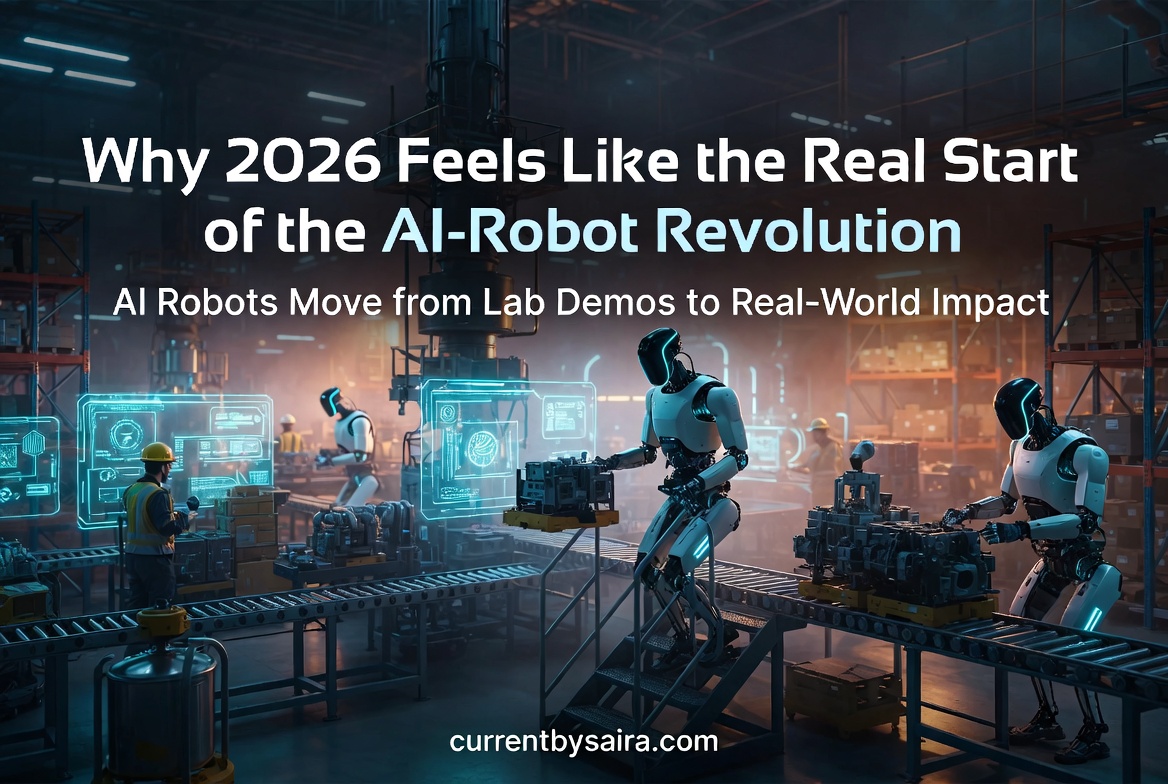
2026 Is the Year AI-Robots Move from Lab Demos to Real-World Impact Across Factories, Homes, and Infrastructure
Hey, if you’ve been following tech at all lately, you can feel it, something’s actually shifting. Robots have been around forever doing the same repetitive stuff in factories, but now? They’re waking up with real brains thanks to AI, and 2026 looks like the year AI-Robots stop being expensive toys and start becoming useful partners in our daily grind.
I’ve spent way too many hours reading reports, watching demos, and talking to folks in the space, and honestly, it’s exciting without the usual hype overload. Let’s break it down like we’re chatting over coffee.
What’s Lighting the Fuse Right Now
The numbers don’t lie. The International Federation of Robotics just put out fresh stats showing the global market for industrial robot installations hit a record around $16.7 billion recently. Installations have basically doubled over the past decade. It’s not magic – it’s a bunch of things coming together at once: smarter software that can actually think and adapt, tougher hardware that moves like a living thing, and companies desperate to deal with labor shortages and rising costs.
The real game-changer is what people call “agentic AI” – systems that don’t just follow a script but make decisions on the fly, learn from mistakes, and get better without a programmer holding their hand every second.
Mix that with old-school analytical AI for crunching data and generative tools for coming up with new ideas, and suddenly your robot isn’t stuck doing one task forever. It can troubleshoot a jammed line or rearrange warehouse shelves when things get chaotic. That’s the spark that’s got everyone buzzing.
AI-Robots – Humanoids Are Finally Leaving the Demo Stage
This is the part that still blows my mind. Boston Dynamics’ Atlas – that flashy humanoid everyone’s seen doing backflips – started real field tests at Hyundai’s manufacturing plants early this year. We’re talking climbing stairs, balancing while carrying stuff, and handling messy, unpredictable jobs that used to need a skilled human.
Other companies like Figure are ramping up too, with models showing off crazy dexterity in hands and arms. Even events in China and big showcases at CES 2026 had teams unveiling humanoids ready for prime time.
These robots aren’t circus acts. They’re heading into manufacturing lines, logistics warehouses, and even places where we need help with elder care. Imagine a robot watching a quick video of someone assembling a part, then practicing thousands of variations in simulation before trying it for real. That “physical AI” bridge between digital smarts and mechanical muscle is what makes this feel different from past hype cycles.
A Few Standout Breakthroughs Worth Noting:
- Smarter Autonomy: These new systems handle surprises in messy environments instead of freezing up when the script changes.
- Super Sensing: Advances in computer vision (big shoutout to conferences like CVPR) give robots vision that beats human eyes for spotting tiny details during manipulation.
- Learning Fast: Simulation training means they rack up experience equivalent to years of practice before hitting the floor.
- Team Effort: NVIDIA and partners are building platforms that let these robots share what they learn across entire fleets.
How It’s Hitting Different Industries
The effects are rippling out fast. Manufacturing giants like ABB saw big jumps in orders as companies pour money into automation. It’s not about kicking people out – it’s about giving teams superpowers so they can focus on higher-value work while robots handle the dangerous or boring bits.
One area I find fascinating is infrastructure. Companies like Gecko Robotics send climbing robots with AI brains crawling over pipes, tanks, ships, and power plants.
They spot cracks and weaknesses humans might miss, predict failures, and save serious cash on downtime. In logistics, agentic robots turn chaotic warehouses into smooth operations. And in healthcare or service roles, versatile bots are starting to assist rather than replace.
Here’s A Simple Breakdown Of Where Things Stand:
| Sector | What’s Hot in 2026 | Real-World Payoff |
| Industrial/Manufacturing | Humanoids + AI autonomy | Record installations, productivity boost |
| Logistics & Warehousing | Self-optimizing agentic systems | 30-50% efficiency gains possible |
| Infrastructure | Climbing inspection bots with predictive AI | Fewer failures, safer operations |
| Healthcare & Service | Helpful companions and precision tools | Relief for labor shortages, better care |
The Tough Parts Nobody Likes Talking About
Let’s be straight – this isn’t all rainbows. Training these things still eats enormous computing power. NVIDIA’s rolling out new chips and platforms to keep up, but costs remain high. Then you’ve got the bigger questions: What happens to jobs? How do we keep people and robots safe working side by side? Energy use, ethics, regulations – they’re all real hurdles that won’t solve themselves overnight. Getting from flashy pilot to cheap, reliable, everyday tool takes serious time and money.
On the bright side, edge computing, open models, and better hardware are making this tech more accessible to smaller companies. It feels like a “Cambrian explosion” moment where specialized robots meet powerful foundation models, and the whole ecosystem gets richer.
What Should You Actually Do About It?
If you run a business, don’t sit on the sidelines. Early movers in automotive and electronics are already seeing real gains. For workers, learning to team up with AI and oversee robot systems is probably the smartest skill investment right now. And for the rest of us? Think safer workplaces, more efficient supply chains, and maybe even a bit more free time as the grunt work gets handled.
Quick Tips to Keep Up Without Getting Overwhelmed:
- Keep an eye on big events like NVIDIA GTC or robotics conferences.
- Track leaders in hardware (NVIDIA, Boston Dynamics) and agile startups.
- Always bet on the hybrid approach – humans plus smart machines usually win.
Looking Forward Without the Crystal Ball
After digging through all these stories, 2026 doesn’t feel like another year of empty promises. Atlas is actually working in Hyundai plants. Figure and others are scaling production. AI-robots the ability to learn and adapt in ways that matter for real problems like aging workforces, fragile supply chains, and creaky old infrastructure.
Sure, there’ll be setbacks, overpromising, and messy growing pains. But the direction is clear: practical progress driven by engineers solving actual headaches, not just chasing viral videos. It’s human creativity at its best – building tools that make life better instead of just flashier.
What do you think – ready to welcome a robot coworker, or still skeptical? Drop your take below. I read every comment, and these conversations are half the fun. The future’s being welded together one intelligent step at a time, and it’s going to be one heck of a ride.
Enjoyed This? Let's Make Your Content This Good.
I craft SEO content, brand copy, and strategies that drive real results. Let's talk about your brand.